
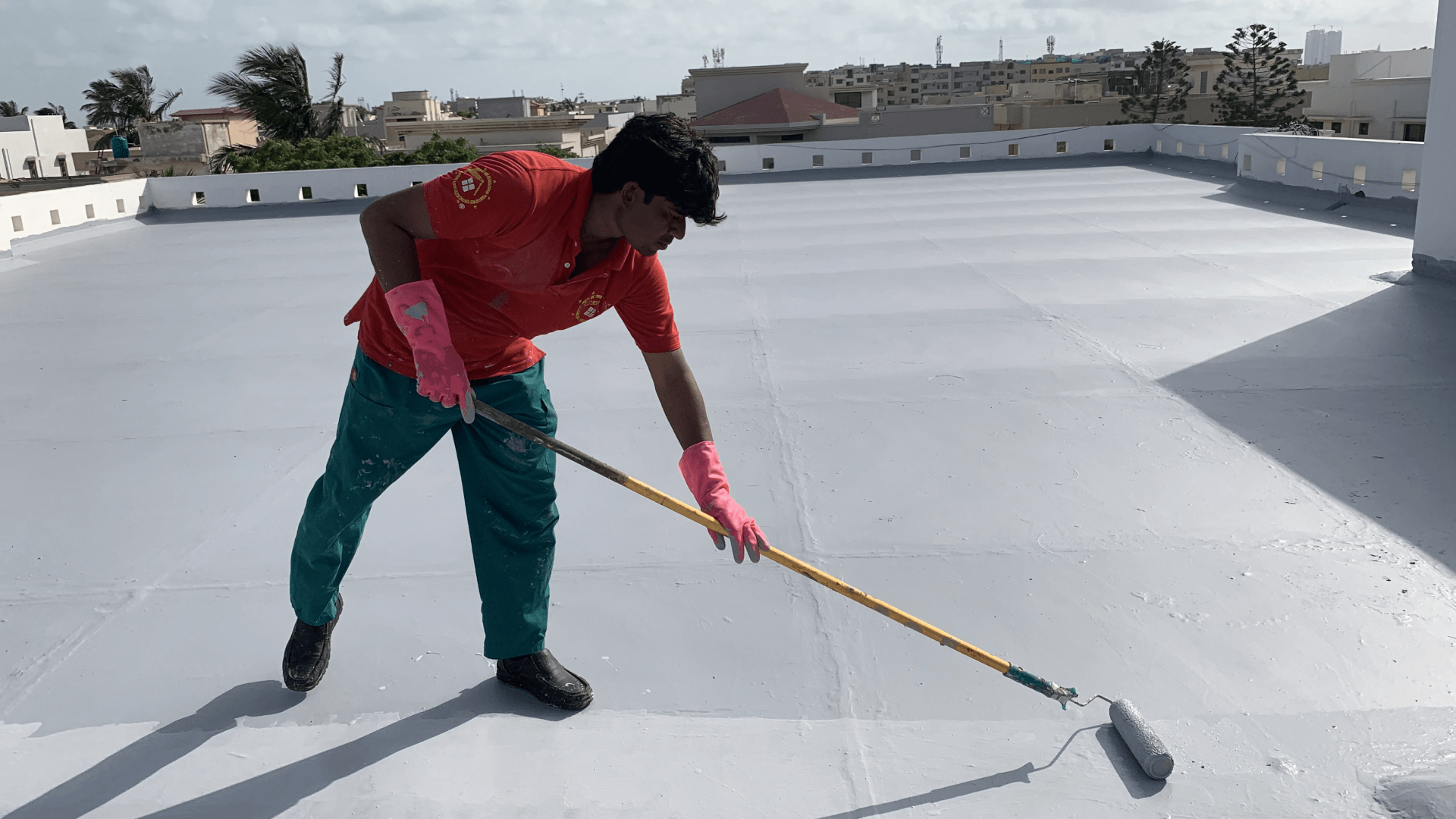
Roof waterproofing is an essential step in ensuring the longevity and durability of any building structure. Whether it’s a residential home or a commercial property, a properly waterproofed roof protects the interior from water damage, mold growth, and other potential issues that can arise from leaks and seepage.
There are various methods and materials available for roof waterproofing, each with its own advantages and limitations. From liquid-applied membranes to sheet membranes and coatings, choosing the right waterproofing solution for your roof depends on factors such as climate, building design, and budget. In this article, we will explore the different types of roof waterproofing techniques and help you make an informed decision on how to best protect your property from water intrusion.
Types of Roof Waterproofing Techniques
When it comes to roof waterproofing, there are several techniques available to ensure your building is protected from water damage. One popular method is the application of liquid-applied membranes, which are easy to install and provide a seamless barrier against moisture intrusion. Another commonly used technique is sheet membranes, which offer excellent durability and are ideal for flat or low-sloped roofs. Additionally, coatings can be applied to the roof surface to provide an extra layer of protection and extend the lifespan of the waterproofing system.
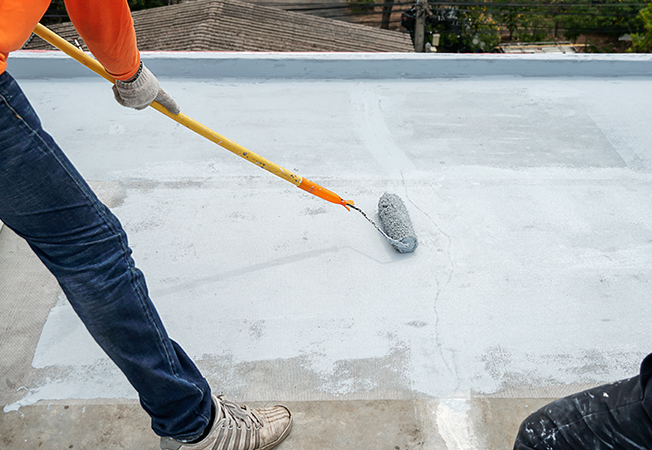
Torch On Waterproofing, Bituminous waterproofing is a proven method that involves heating bitumen rolls to create a watertight seal on the roof. This technique is highly effective in preventing leaks and can withstand harsh weather conditions. It is particularly suitable for areas with extreme temperatures or frequent temperature fluctuations. By utilizing Torch On Waterproofing, Bituminous waterproofing, you can ensure maximum protection for your property against water intrusion, keeping your building safe and dry for years to come.
Overall, roof waterproofing is a crucial investment in maintaining the integrity of your property and protecting it from water damage. With a variety of techniques available, such as liquid-applied membranes, sheet membranes, coatings, and torch on waterproofing, it is important to choose the right method based on your specific needs and circumstances. By taking the time to properly waterproof your roof, you can ensure that your building remains safe, dry, and secure for years to come, saving you time and money on potential repairs in the long run.